Why Guided Foraging Is Becoming One of California’s Most Meaningful Coastal Travel Experiences
What is a Guided Foraging Trip
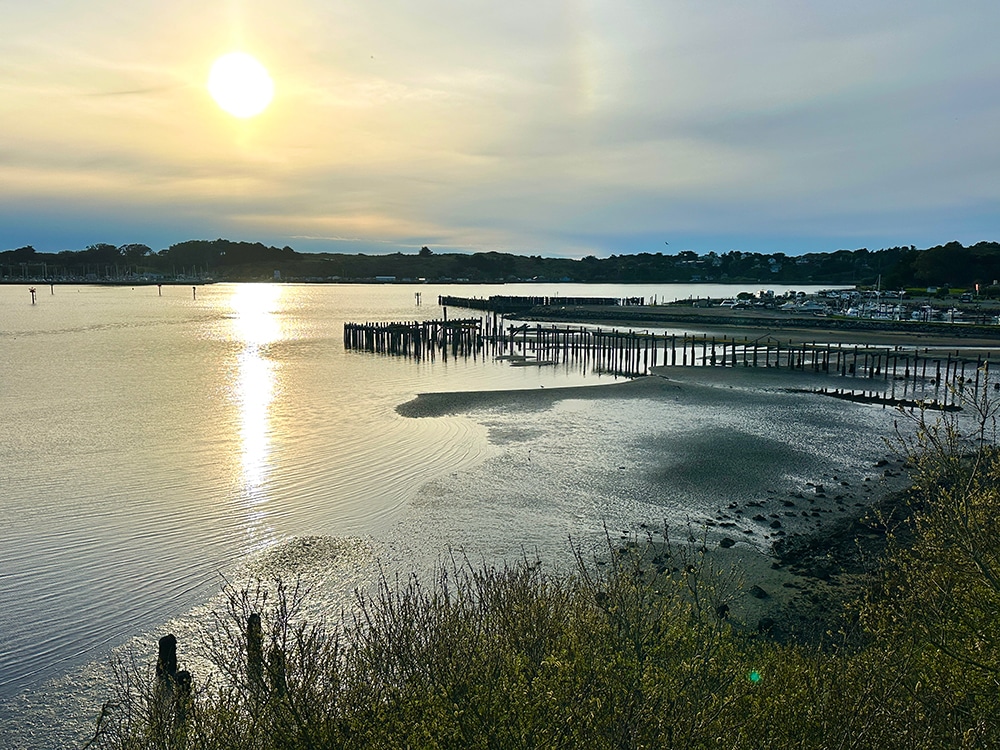
Along California’s coastline, travel experiences are changing.
More travelers are looking for ways to connect with places beyond scenic overlooks and restaurant reservations. Instead of simply visiting landscapes, they want to understand them — to slow down, learn something tangible, and participate in the environments they’ve come to see.
Guided foraging experiences are quietly becoming one of the most meaningful ways to do exactly that.
I didn’t fully understand this until I joined my first guided foraging walk along the Northern California coast. What looked at first like an ordinary stretch of shoreline slowly revealed itself as something far more complex — an ecosystem filled with edible plants, seasonal rhythms, and stories hidden in plain sight.
As our guide pointed out species I had walked past countless times without noticing, something felt unexpectedly familiar.
Foraging, I realized, wasn’t something new I was discovering.
It was something I was remembering.
Foraging as a Way of Life
Growing up in upstate New York in the 1970s, foraging was simply part of everyday life. My mother and great aunt gathered food wherever the season offered it — wild strawberries tucked low in summer fields, blackberries and blueberries along familiar trails, dandelion greens added to spring meals without ceremony or explanation. In autumn, we collected black walnuts that stained our hands dark and required patience to crack open at the kitchen table.
At the time, none of it felt unusual or educational. We weren’t “foraging.” We were just paying attention to what grew around us and bringing a small part of those walks home for dinner. Somewhere along the way, that way of seeing faded — replaced by faster travel, grocery stores, and landscapes viewed more as scenery than sustenance.
Standing on a California shoreline decades later, guided by someone teaching us how to read tides and ecosystems, that earlier awareness quietly returned.
The biggest surprise wasn’t what we gathered. It was how differently I began to see the landscape again, as a vibrant living ecosystem.
Why Join a Guided Foraging Trip
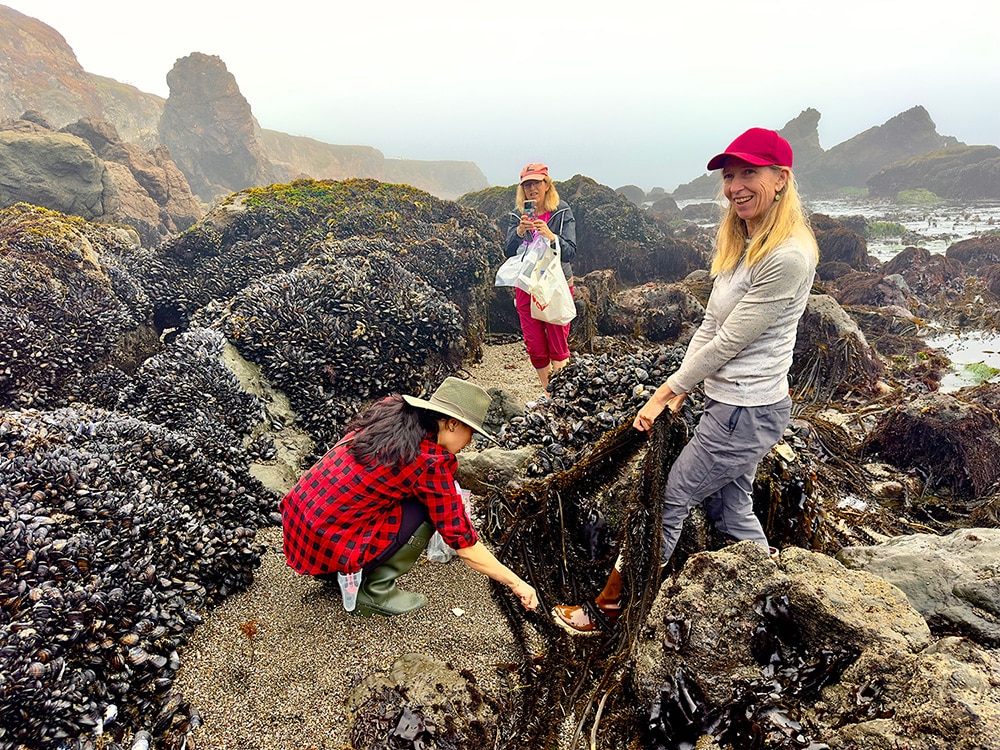
At low tide along California’s northern coast, the shoreline looks deceptively quiet. But spend time walking the rocks with an experienced guide, and the landscape begins to reveal itself, seaweeds tucked into tidepools, mussels clinging to stone, and edible plants thriving in places most visitors pass without noticing.
Across California, guided foraging experiences, like ForageSF are gaining traction as travelers look for immersive, low-impact ways to engage with coastal and forest ecosystems. Led by trained educators and naturalists, these small-group outings emphasize sustainability, ecological literacy, and seasonal awareness—reflecting a broader shift toward experiential travel that prioritizes knowledge and connection over consumption.
That moment of recognition, learning how to truly see the landscape, is what draws many travelers to foraging experiences. Rather than focusing on what to take home, these tours emphasize slowing down, observing patterns, and understanding the relationship among land, sea, and season.
Low Tide Foraging Experiences
Along the Sonoma Coast, I joined a low-tide seaweed foraging walk where the lesson began before anyone touched the water. Our guide, Heidi, explained that her harvesting schedule follows the rhythm of the tides, not a calendar. As the ocean receded, she showed us how to distinguish between feather-boa kelp and sea lettuce, pointing out how their textures and colors change with light, current, and exposure. One of the most sought-after finds was kombu, a sea vegetable prized by chefs for its ability to add depth of umami to broths and stews.
Throughout the walk, sustainability was central. We gathered only small amounts, leaving enough of each plant to regenerate. The emphasis wasn’t on abundance, but on reciprocity, recognizing that foraging is a long-standing relationship between humans and the natural world, shaped by restraint as much as knowledge.
Mushroom Hunting
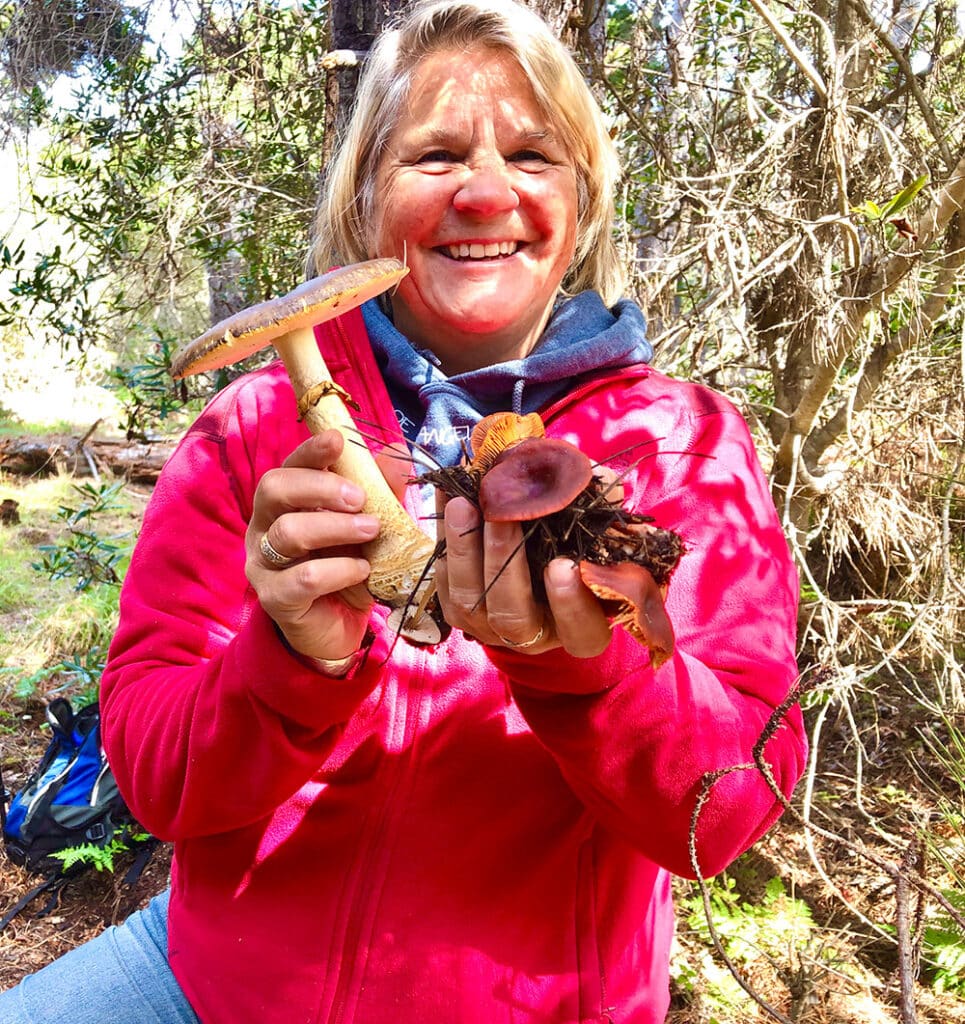
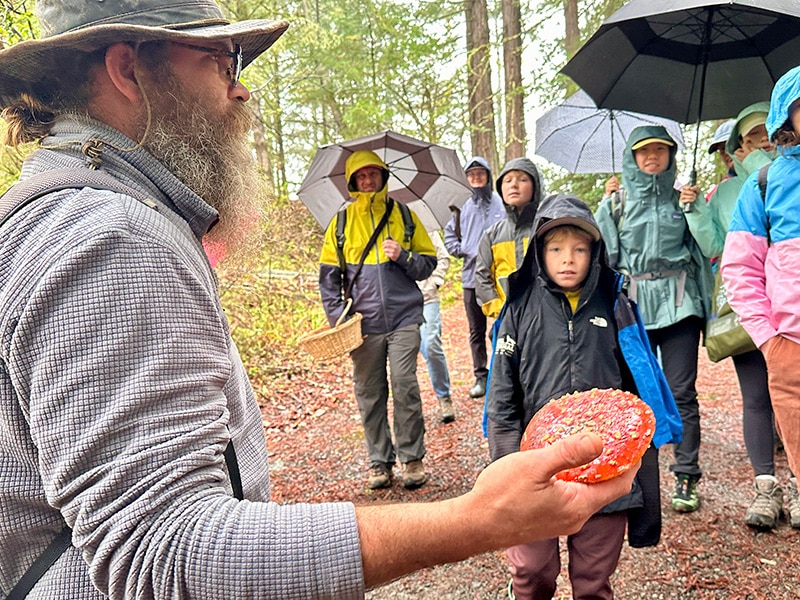
That same ethic—take only what you need—carried into a mushroom foraging walk I joined later in Northern California’s forests. On a rainy fall day beneath redwoods and oaks, our group moved slowly, scanning the forest floor for subtle signs of fungal life. Our guide, Steve, encouraged us to focus on habitat before harvest, explaining how soil composition, moisture, tree species, and weather patterns determine what appears and when.
When mushrooms were found, identification came first and was treated as essential. Only after careful examination did harvesting become an option, and even then, selectively. The goal wasn’t a full basket, but a deeper understanding of how the forest functions as an interconnected system.
Together, these experiences help explain why foraging is resonating with travelers now. Unlike traditional tours, they don’t promise spectacle or instant gratification. Instead, they offer attentiveness, context, and a sense of place that lingers long after the walk ends.
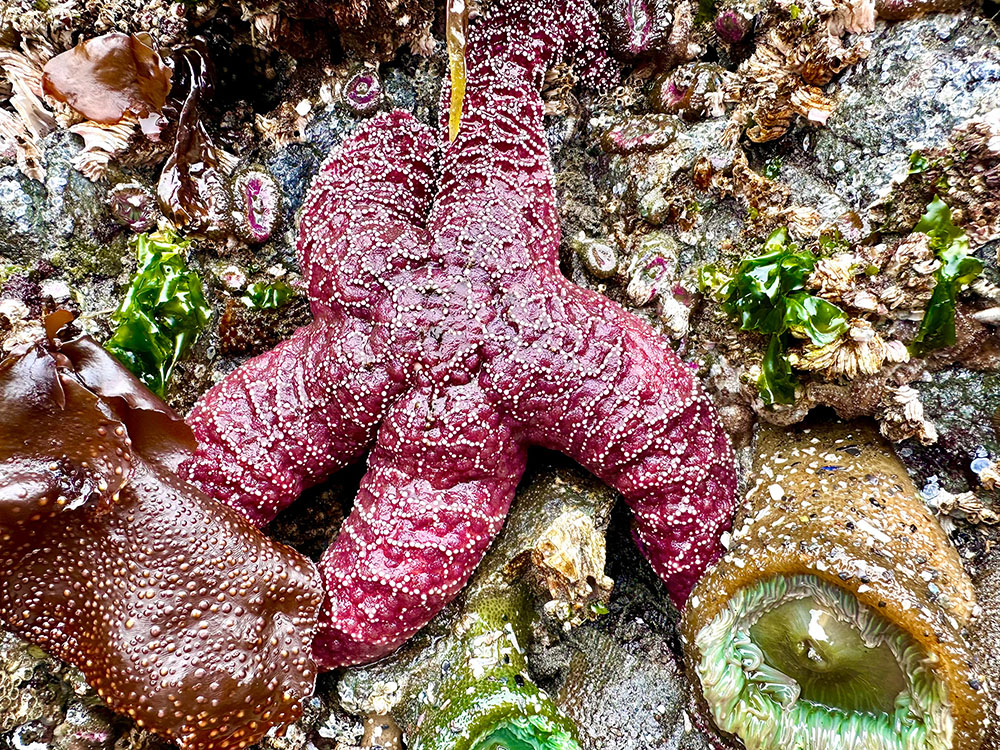
California’s varied landscapes make it exceptionally well-suited to this kind of travel. Coastal tidepools, mixed evergreen forests, and seasonal wetlands each offer different lessons at different times of year. Guides tailor outings to real conditions—tides, rainfall, and temperature —ensuring that no two experiences are ever the same.
For many travelers, guided foraging also reshapes how they think about food. Seeing ingredients in their natural habitats—whether clinging to a rocky shoreline or emerging from forest duff- creates a more tangible connection to the ecosystems that support everyday meals.
What stays with me most from these experiences isn’t what I tasted, but what I noticed afterward. I found myself moving more slowly along trails, paying closer attention to textures, colors, and seasonal shifts. That heightened awareness feels like the real gift of foraging-based travel.
As travelers increasingly seek experiences that feel grounded rather than manufactured, guided foraging offers something rare: a way to engage with California’s landscapes through curiosity, respect, and attention qualities deeply rooted in the land itself.
Check out more of my travel writing experiences.