Solo, Silver, and Slightly Terrified: My Midlife Airstream Road Trip Rewired Everything
I Towed My Life Into the Unknown — And Found a Different Kind of Success
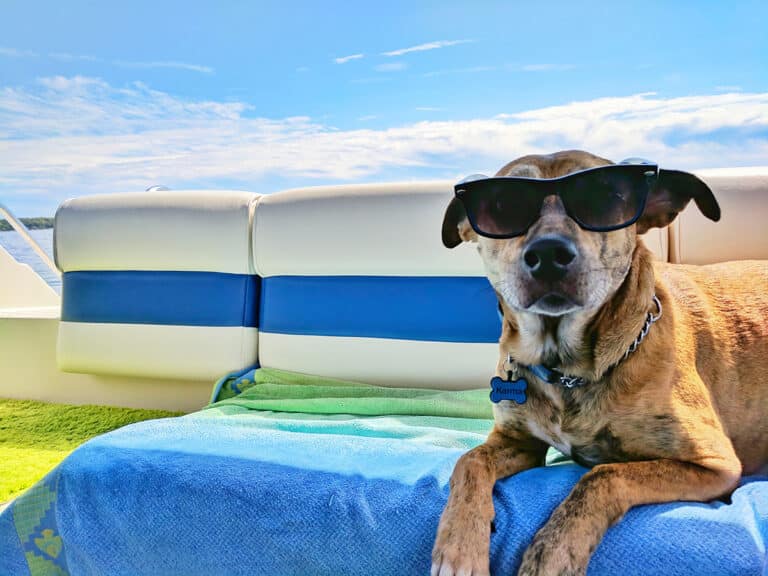
One morning, somewhere between my fifth Zoom call and a cold cup of coffee, my life felt like an endless blue screen. I’d built a long career in Silicon Valley as a UX designer, collected titles and achievements like souvenirs, and still, something essential was missing. I wanted to see my own country the way I’d chased the world: slowly, intentionally, with my dogs in the passenger seat and a horizon instead of someone else’s calendar driving me.
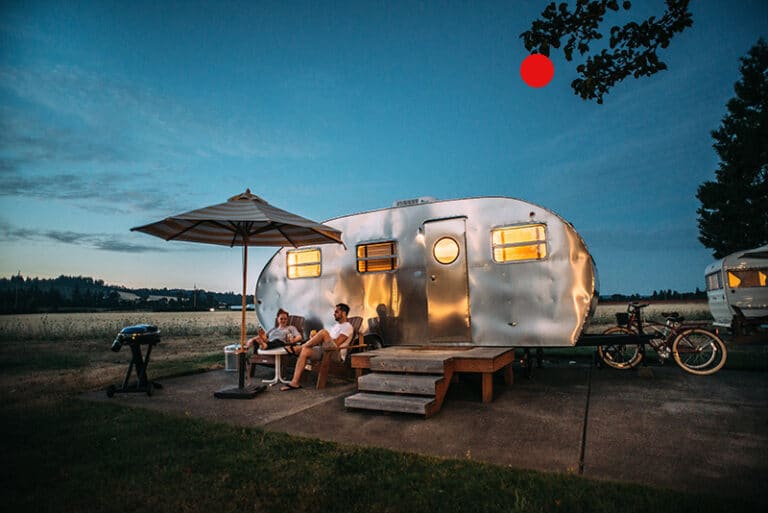
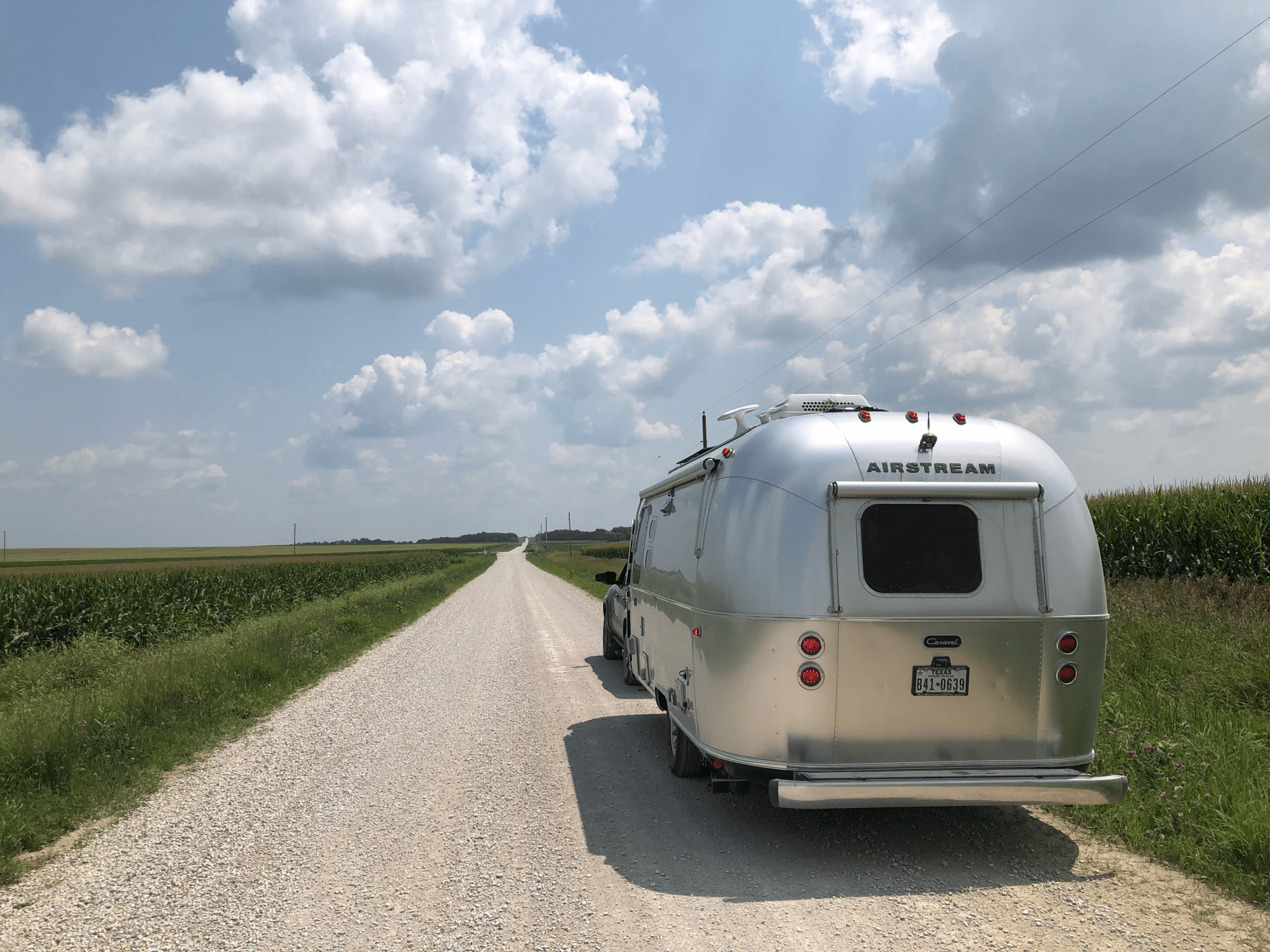
So I downsized to a tiny cottage, got rid of a lot of stuff, bought a 22-foot Airstream trailer (having never towed anything in my life), and decided my very first trip would be a solo, cross-country run, Northern California to Maine and back. Ambitious is one word. Naïve or just crazy might be another.
The trailer I found was slightly used—perfect—but it was in Texas, in February 2021. If you remember that winter, you know what happened next: an ice storm shut down half the state while I was somewhere in West Texas, stranded in a motel for five days with doubts creeping in.
What was I thinking doing this? With the roads barely thawed, I finally reached the seller. He gave me a two-hour tour of all the Airstream systems, hitching, propane, heating, electrical, and a short twenty-minute towing lesson. That was it, now it was just me. I pulled onto the highway heading back home—terrified, exhilarated, and officially “doing this”.
Learning to Tow (and Breathe)
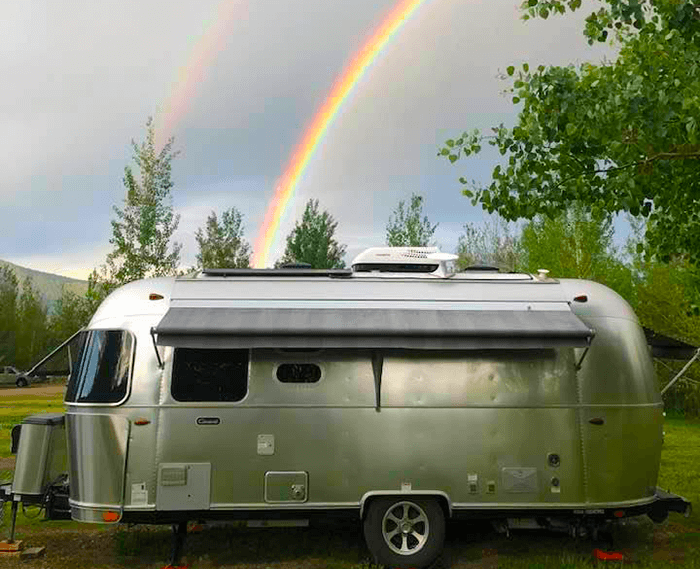
I watched a couple of YouTube videos on backing up a trailer and repeated the advice I’d been given: do everything slowly. At first, I felt unwieldy and exposed—tiny among the big rigs and bus-sized RVs. My hands were glued to the wheel. But like anything, towing becomes muscle memory; fear gives way to focus, and focus turns into flow. The first time I slid the Airstream perfectly into a campsite, I sat there and laughed out loud. I had done this. I, alone, with two dogs watching unimpressed from the back seat.
The Logistics No One Sees
People imagine a stream of scenic overlooks and beautiful vistas; they don’t see the maps, the route choices, or the campground decisions. Trip planning as a solo tower is part strategy, part optimism. I always lined up a few nights ahead—state parks, county parks, the occasional RV resort when I needed hookups and laundry. Harvest Hosts became my favorite in-between: farms, ranches, wineries, cheeseries, where you stay one night for free and buy something in thanks. I’ve slept beside alpacas in Wyoming, bought socks knitted from their wool, and picked up lettuce still alive from their greenhouse. Supporting small businesses while parking under a sky of stars felt like the smallest, sweetest revolution.
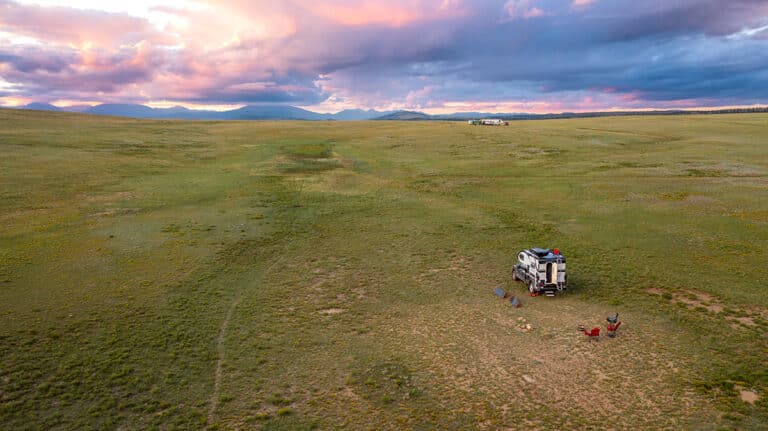
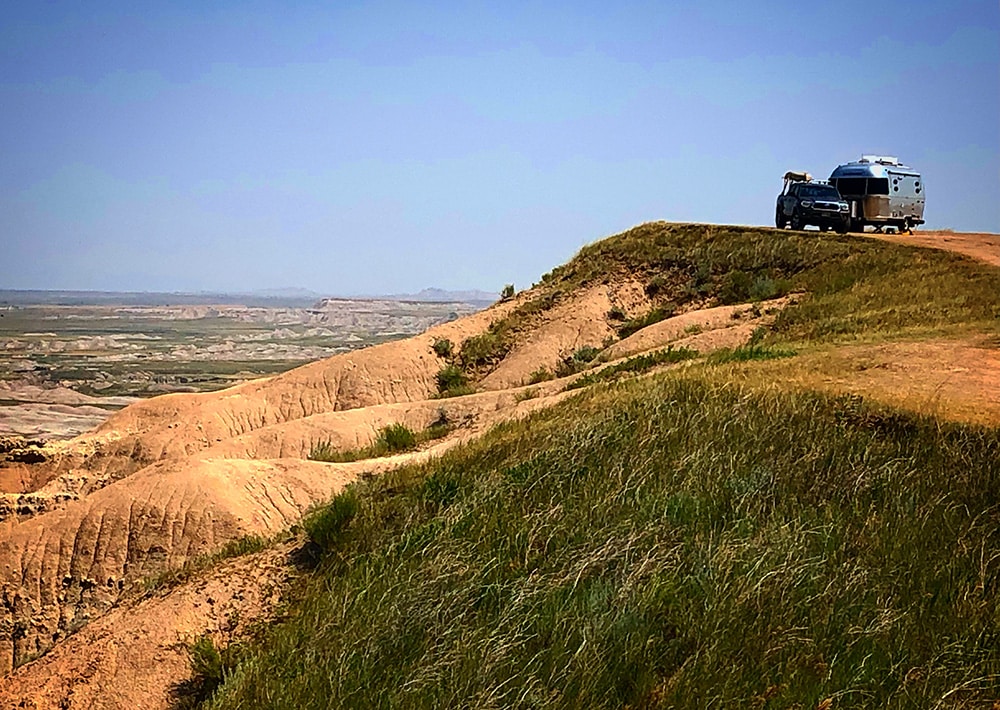
I wanted nature more than neighbors, so I learned to find the quieter spots—campgrounds outside national parks, dispersed sites near the places I loved. I boondocked when weather allowed, using solar and careful water management to stretch days off-grid. When it didn’t—like the day I rolled into the Badlands and the thermometer hit 105°F, so I changed plans. My dogs can’t handle the heat. We found an RV park with power to run my AC and a pool, and called that flexibility, not failure.
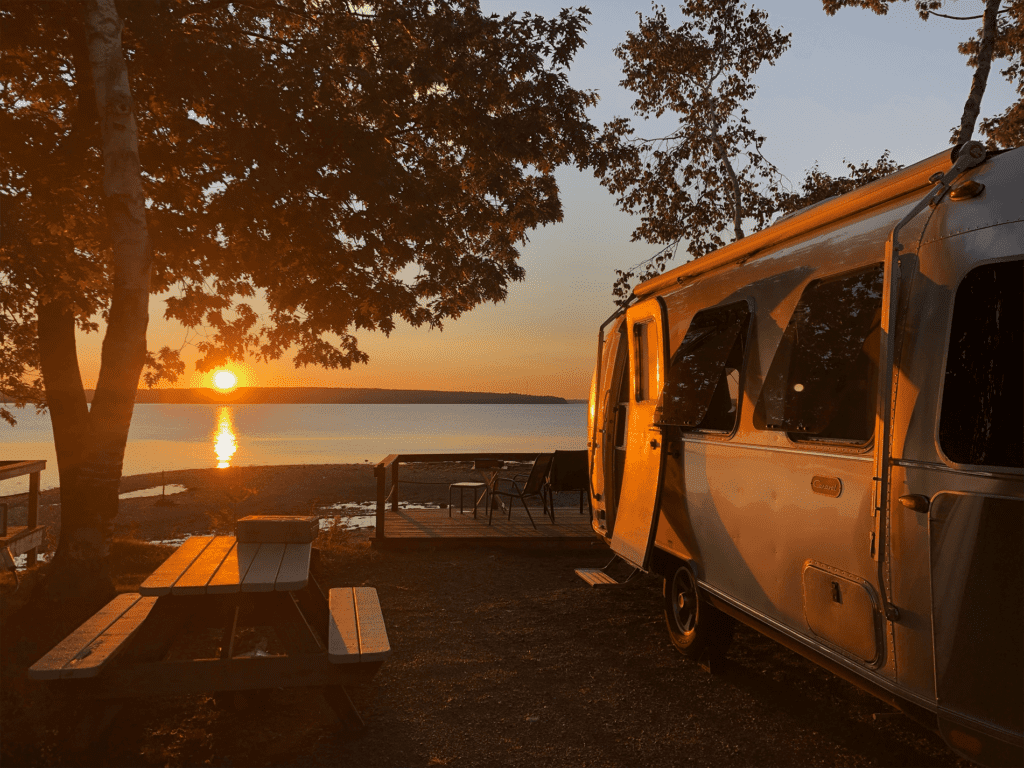
Safety, Solitude, and the Kindness of Strangers
Before I left, friends asked if I’d be afraid—alone, female, towing a shiny trailer across the country. The truth is I was more afraid of never going. On the road, people were overwhelmingly kind. Men would wander over to ask, “You doing this by yourself?” and I’d answer, “Nope—I’ve got my dogs.” Women would grin and whisper, “I want to do this… but without the husband.” We’d laugh. Dogs, by the way, are both icebreakers and excellent security systems.
Loneliness happens, yes. But I’ve found solo travel has a way of softening your edges toward the world. I’ve learned to chat with the couple at the next site, say yes to a farm tour, and accept a beer around a campfire. I’m an introvert by nature; on the road, curiosity does the talking.
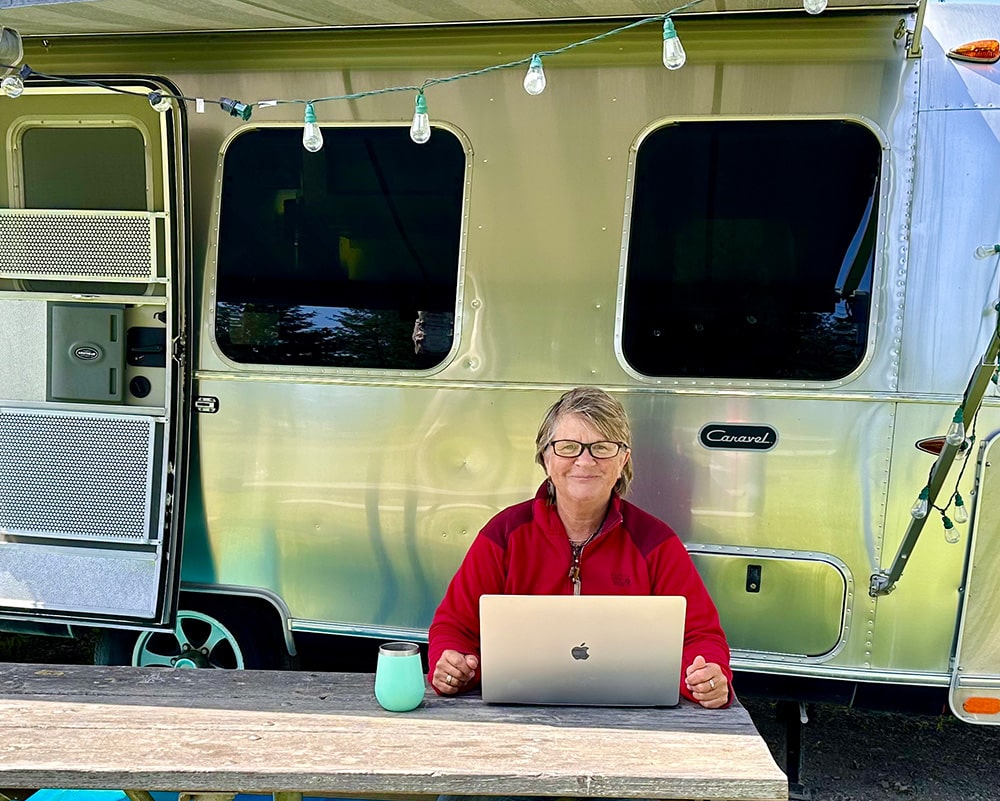
Working on the Road (and Why I Chose a Trailer)
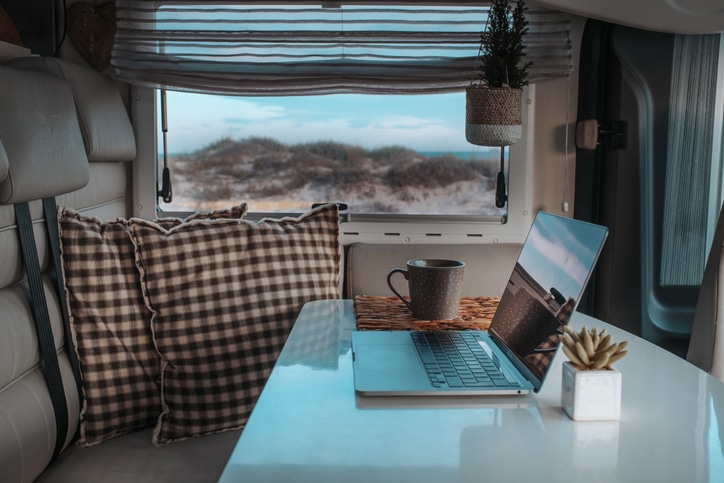
I’m a freelance UX researcher and designer, so I have already lived in a remote-work rhythm. That made the leap feel feasible: if I could get Wi-Fi, I could work. I chose a trailer so I could “make camp,” detach, and explore in my truck. Mornings might be user interviews from my tiny dinette; afternoons were hikes, photography, and letting the dogs chase each other on the beach. I discovered that my best design thinking arrived after a three-mile loop under tall trees.
People love to ask, “How do you make money on the road?” My answer: the same way I did at home, with better scenery. But there are dozens of other ways too—work-camping, seasonal gigs, freelancing, building a small online business. The hard part isn’t the doing; it’s patience. Pick something you like to do, stick with it, and grow it.
The Small Home, Big Life Equation
I live simply now: a 425-square-foot cottage in Northern California when I’m not traveling, a small Airstream when I am. Downsizing rewired my sense of what is enough. On my first cross-country trip, I packed way too much. Now my closet is half-empty, and my mind is less cluttered too. I travel in seasons—two or three months on the road, home when summer heat makes campsites sticky and crowded, back out again when the air turns crisp.
Whenever I can, I stop by tiny home communities to daydream. As we get older, my friends and I talk about creating a community —a place where we can share land and labor—grow food, host travelers, and take care of each other. Somewhere between a Harvest Hosts for the stream of travelers and an eco-village for building roots. We’re all craving connection and human touch that isn’t device-driven.
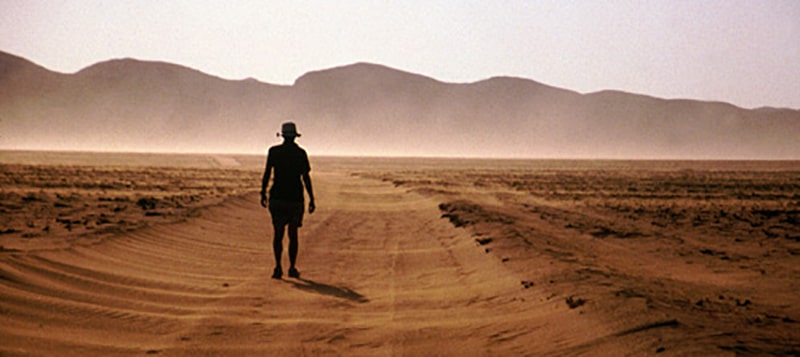
What I Learned (That Has Nothing to Do with Towing)
At first, I thought I was just towing a trailer. Really, I was dragging my life into the light to see what needed to change. Success, for me, used to be measured in more money and product launches. Now it looks like a string of moments: finding a farm road at sunset, backing in clean on the first try, waking up to my dogs pressed against my legs and the sound of birdsong outside my window. It’s quietly choosing the work that matters, the people who feel like home, the places that feed my wild heart.
People often tell me, “I’ll do that someday.” I smile and say, “Someday isn’t a date.” You will never be perfectly ready; I wasn’t. You will be scared; I was. You will also surprise yourself. The road has a way of showing you who you are again. Once I downsized, my authentic self came back. One who loves nature, wildness, and adventures on the open road.
I am not a full-time RVer. I’m not chasing a perfect life. I’m building one that lets me breathe deeply—two months on the road, a month in my little cottage, repeat. Some days I’m in meetings; some days I’m under redwoods; most days I’m grateful I chose a life I can steer.
If there’s a lesson here, it’s this: freedom isn’t quitting work—it’s quitting the constant need to prove your worth. I still design for a living. I just design my days, too.
And every time I check my mirrors and watch that silver bullet follow me down a long, empty highway, I remember: it’s okay to start before you know exactly how to do it and how it all might end.