How I Started Solo RV Life at 62 With Zero Experience — and Built a Flexible Life on the Road
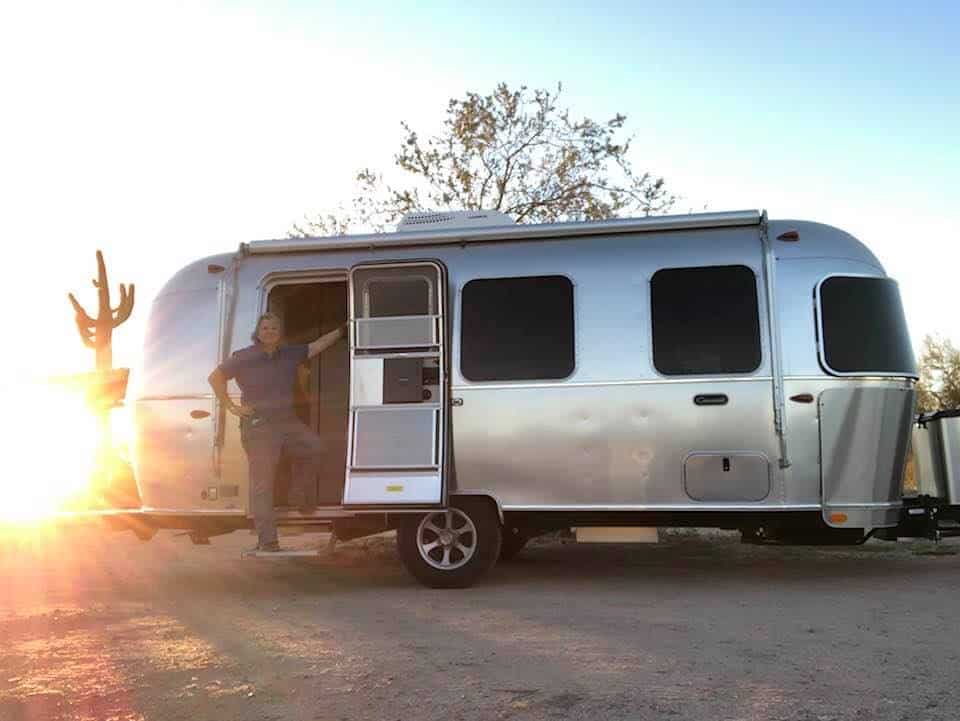
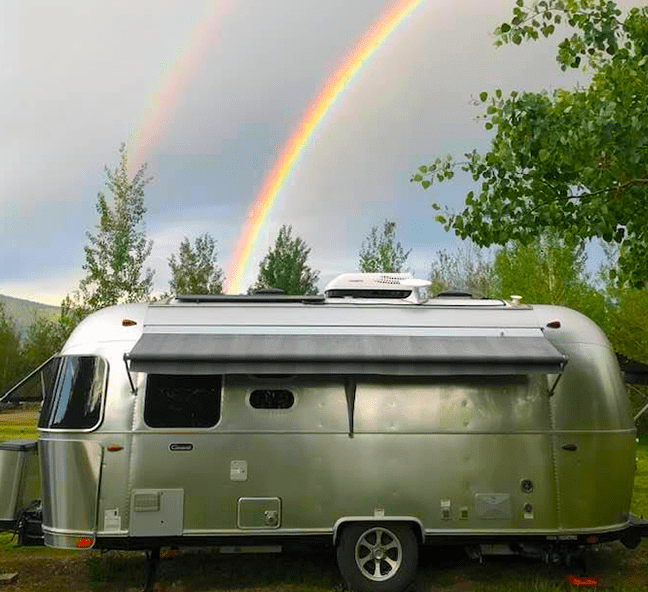
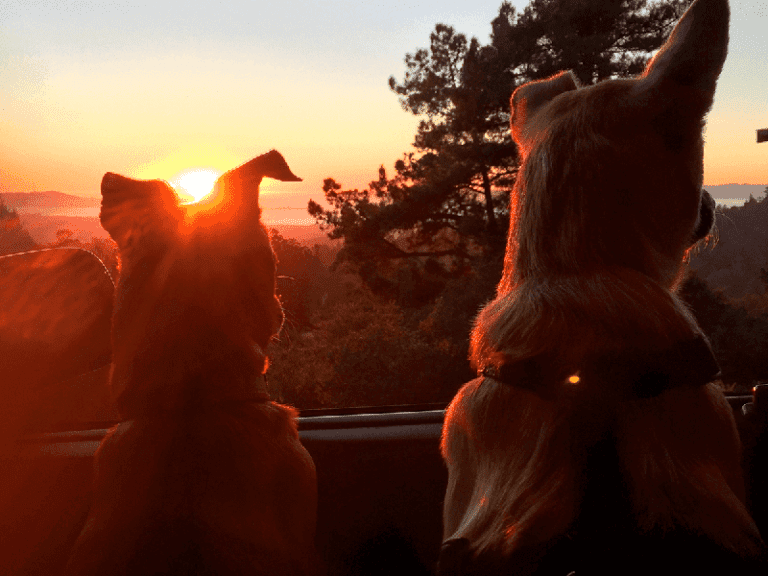
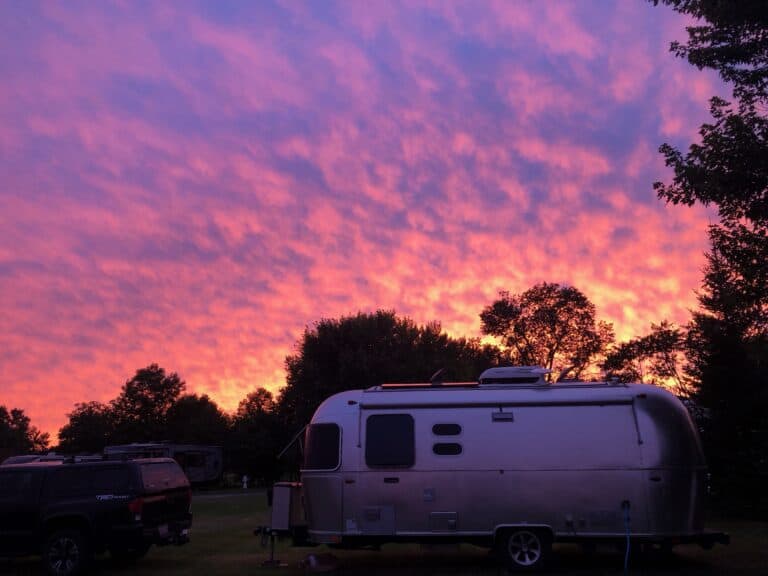
At 62 years old, I hitched a 22-foot Airstream to my truck, loaded up my two dogs, and drove away from the life I’d carefully built over decades—despite having zero RV experience.
I didn’t grow up RVing. I wasn’t retired. I wasn’t chasing a trend or a viral moment. What I was doing was coming home to something older, deeper, and long familiar.
Because the truth is, this wasn’t the beginning of something new. It was the return to something I’d loved my whole life — and quietly set aside.
Long before Solo RV life entered the picture, I had already fallen in love with nature and wild camping.

I Was Raised by Water, Woods, and Long Silences
In the 1970s, my family canoe-camped through the Adirondacks. I learned early to read topo maps, carry my own gear, and portage our 17-foot aluminum canoe (I started early, loving aluminum vessels!) with my Dad, and to fall asleep to loons calling across dark lakes. Those trips taught me something I wouldn’t have words for until decades later: I come alive when I move slowly through wild places.
When I moved to California in the early 1980s, I took that instinct west. I backpacked the Sierras, Yosemite, and every remote corner I could reach. Weekends meant trailheads, bear canisters, and miles of quiet.
In the 1990s, I took my first solo backpacking trip — to Zimbabwe. Alone. With a pack. And a camera.
That trip cracked something open. I came home knowing I wanted to be a travel photographer — not someday, but then.
Life had other plans.

When Career Took Over and the Road Went International
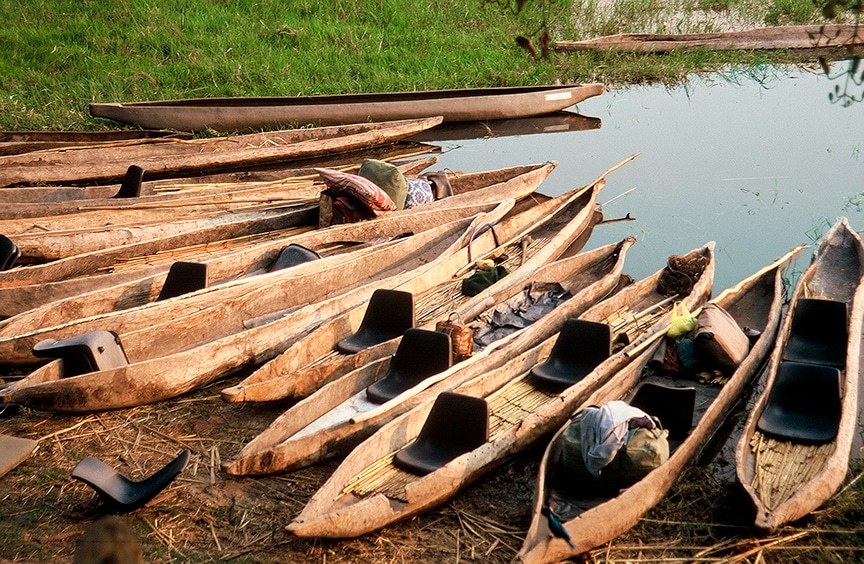
Tech arrived fast and loud. My career as a UX and Product Designer took off. For 25+ years I built products, led teams, and spent most of my time inside screens, except when I escaped to remote regions of the world with friends; three months backpacking through Europe, island hopping in Greece, scuba diving the Great White Wall in Fiji, a second trip to Southern Africa in a 4×4 outlander truck adventuring in the Okavanga Delta in dugout canoes, a sailing flotilla in Tonga, whitewater rafting in Costa Rica, Salmon fishing in Alaska and more.
Photography never left; it captured all my travels — my craft was my constant companion, a storytelling passion rather than a profession.
I traveled when I could. I photographed obsessively. But the wild places became something I visited, not something I lived inside.
Until one day, somewhere between Zoom calls and another perfectly reasonable deadline, I realized I was starving for space — mental, creative, and physical.
I didn’t want to stop working. I wanted to stop living only indoors.
My Solo RV Life Wasn’t an Escape — It Was an Evolution
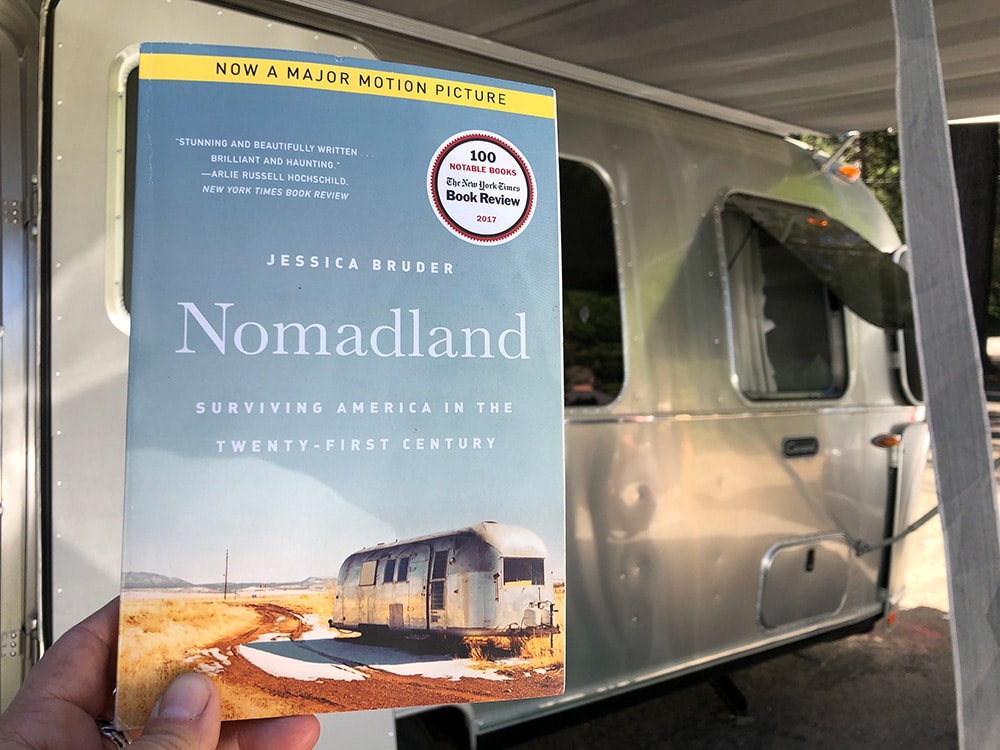
The movie Nomadland has just been released, and I was inspired and ready to leap. Now I didn’t dream of RV life in abstract terms. What I wanted was mobility with intention — a way to work remotely while moving through landscapes that made me feel like myself again.
So I bought an Airstream.
I had never towed anything in my life.
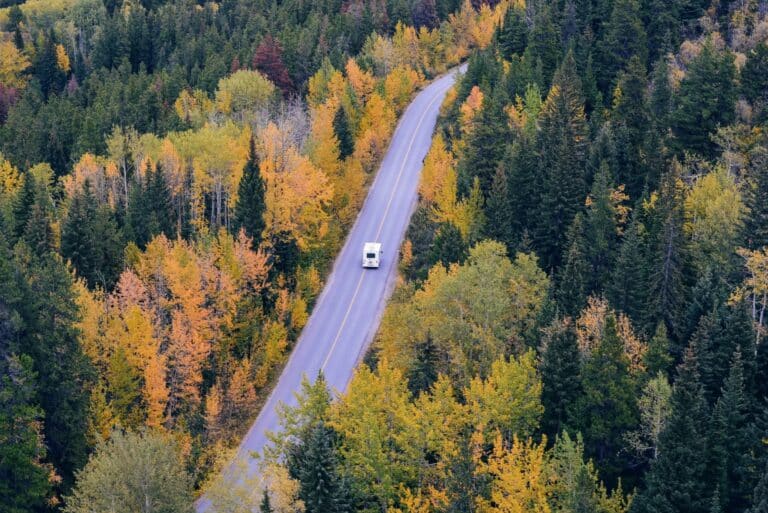
My first trip was a solo, cross-country drive from Northern California to Maine and back. Ambitious, yes. Reckless? Maybe. Necessary? Absolutely.
That first day on the highway, mirrors full of silver trailer and doubt, I whispered aloud, What are you doing?
And answered myself just as clearly: You already know.
Learning to Tow, Camp, and Trust Myself (Again)
I learned the way solo travelers always do — by doing it wrong first.
I practiced backing up in empty parking lots. I watched YouTube videos with a notebook open. I took things slowly. Painfully slowly.
And then something familiar returned — the same calm focus I’d felt backpacking alone years earlier. RV life reminded me that confidence doesn’t come from mastery. It comes from repetition. Each campsite made the next one easier. Each solved problem made the fear smaller.
Solo RVing didn’t make me fearless — it gave me courage.
Solitude, Community, and the Introvert’s Way In
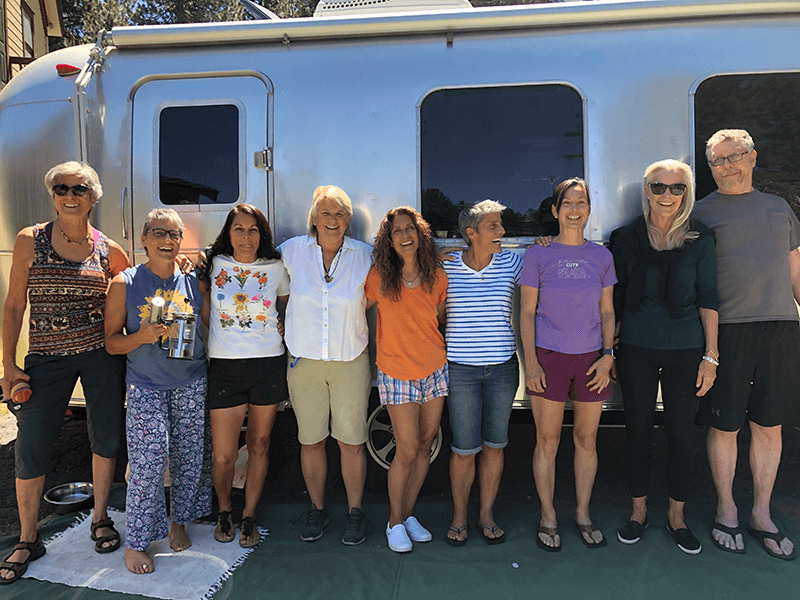
I’m an introvert. Solo travel doesn’t mean isolation for me — it means intentional connection.
On the road, I make myself reach outward. I talk to hikers, dog lovers, and fellow campers. I accept invitations. I reconnect with friends and family scattered across the map.
Community doesn’t announce itself — you build it, quietly, one conversation at a time.
Some of my favorite RV moments have nothing to do with landscapes and everything to do with people I didn’t know the day before.
I Prefer the Quiet Places
I love boondocking. Remote state parks. Harvest Hosts. Backroads with no cell signal. Campgrounds where night sounds outnumber voices.
This has always been my way of moving through the world — seeking the edges, the overlooked places, the landscapes that don’t need an audience.
It’s also where my photography comes alive again.
Working From the Road — Until the Road Changed My Work
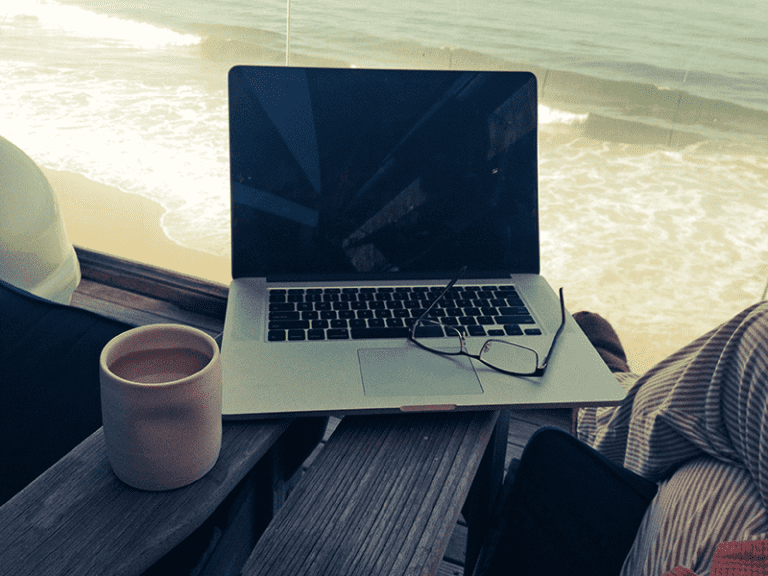
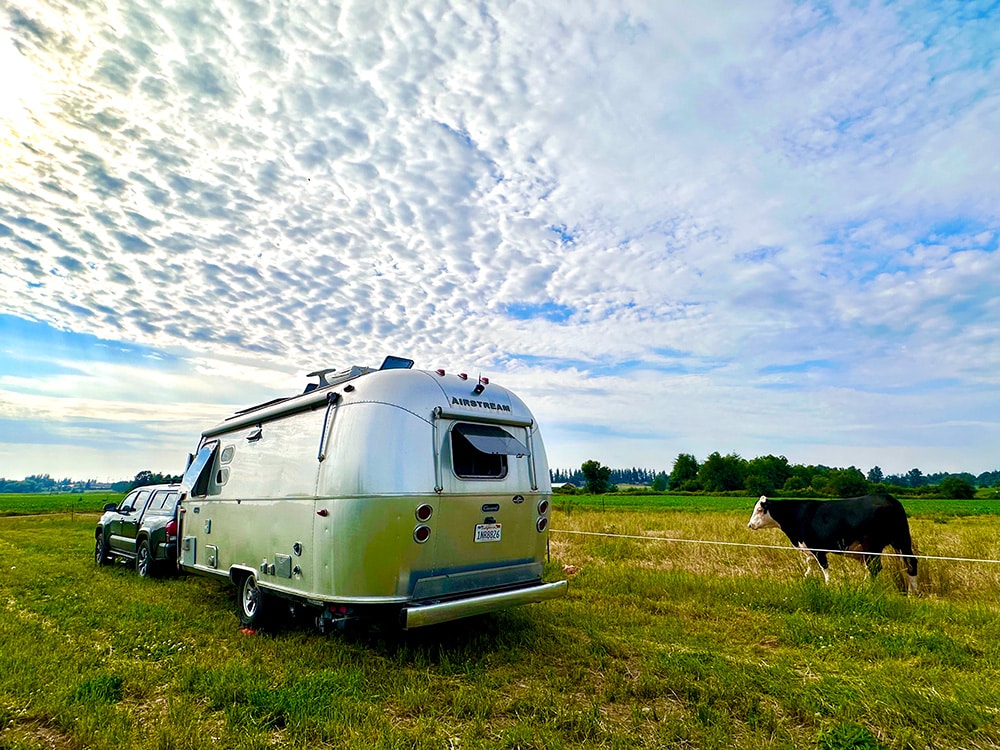
From the beginning, I worked from my Airstream. I took my digital nomad UX and Product Design assignments with me, doing client calls from picnic tables and editing prototypes under tall trees.
RV life didn’t interrupt my career. It supported it.
Then the tech industry shifted. Contracts ended. Work slowed. Waiting for things to “go back” felt like standing still on a moving road.
So I adapted.
A Creative Return I Didn’t See Coming
Today, my photography isn’t waiting anymore — it’s working.
I now support my travels through:
- Published Travel writing and first-person storytelling
- My blog and newsletter (affiliate income)
- My two Etsy shops
- licensing my photography through multiple stock sites
- Freelance WordPress help and training
Nothing I learned was wasted. It just needed a new container.
Why I’m Not a Full-Time RVer (and Don’t Want to Be)
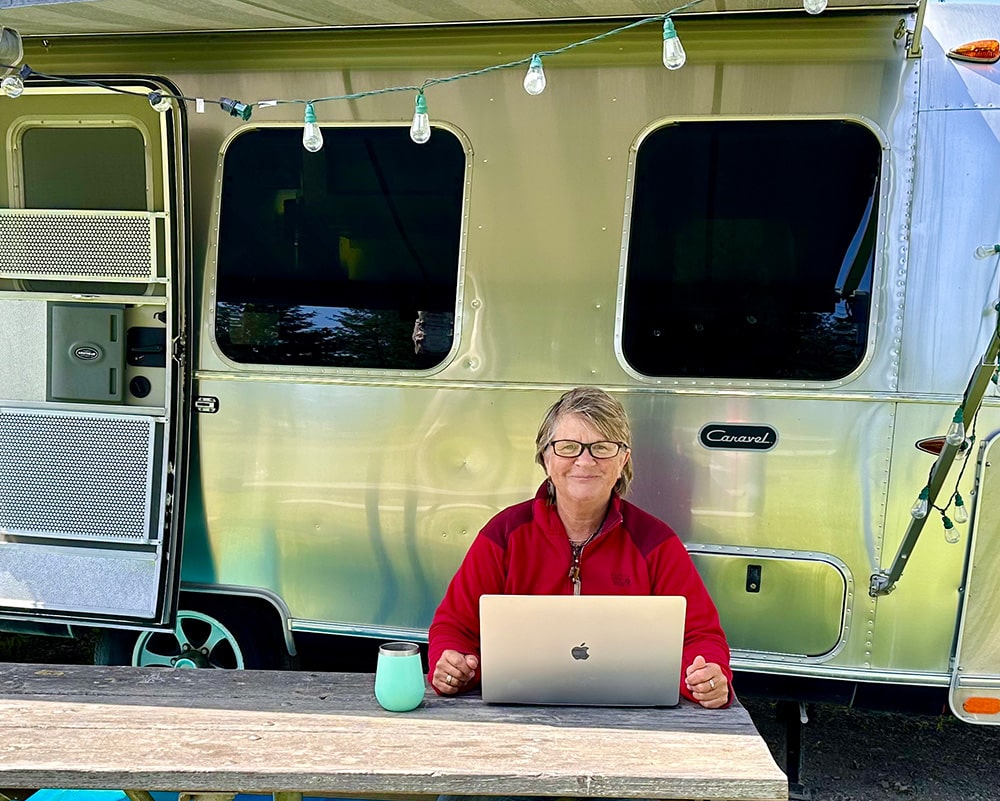
I travel in seasons — a few months on the road, then time at home to write, edit photos, and breathe. I live in a 425-square-foot cottage when I’m not on the road, in keeping with my lifestyle of living softly on the earth.
This rhythm keeps RV life joyful instead of exhausting. It gives me space to choose the road again and again — not because I have to, but because I want to.
Part-time RV living isn’t a compromise. It’s by design.
This Was Never About Starting Over
RV life didn’t reinvent me. It reconnected me. To the kid paddling Adirondack lakes. To the backpacker in the Sierras. To the solo traveler in Africa with a camera and a sense of possibility.
Nothing we love is ever wasted. It waits.
If You’re Standing on the Edge, Wondering
You don’t need:
- RV experience
- a perfect plan
- permission
You need curiosity. Patience. And the courage to begin before you’re ready. I didn’t build a perfect life on the road. I built one that can evolve.
And that — more than any destination — is what keeps me moving.
Where to Go Next
- 👉 How to Make Money from Anywhere
- 👉 21 Best Remote Jobs for RVers: Live Anywhere, Work Anywhere
- 👉 [Internal link: Travel Stories from the Road]
- 👉 How to Make Money on the Road: Top 10 Strategies for Travelers
- 👉 [Email signup CTA: Join my newsletter for stories, resources, and quiet places worth finding]